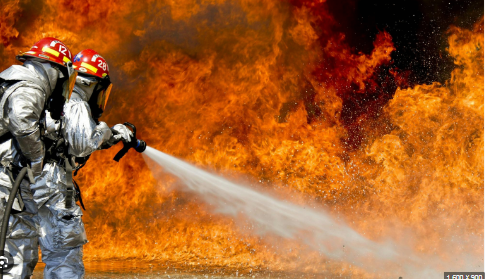
Fire watch guards are trained personnel responsible for monitoring properties, worksites, or events to prevent fire hazards. They act as a proactive safety measure, especially in environments where fire risks are elevated due to ongoing construction, electrical work, or temporary fire protection system failures. Their presence ensures that potential Fire Watch Guards threats are identified and addressed immediately.
Why are Fire Watch Guards important?
According to industry reports, nearly 60% of commercial fires occur in workplaces with incomplete safety measures. Fire watch guards serve as a critical line of defense by reducing response times and mitigating damage. Their constant vigilance ensures early detection, which can prevent small incidents from escalating into full-scale fires, protecting both property and human life.
Where are Fire Watch Guards typically deployed?
Fire watch guards are commonly stationed in high-risk locations such as:
Construction sites with welding, cutting, or grinding activities.
Facilities undergoing fire alarm or sprinkler system maintenance.
Warehouses storing flammable materials.
Large public gatherings or temporary events where fire hazards may arise.
Statistics indicate that workplaces with designated fire watch personnel report 40% fewer fire-related damages compared to sites without such measures.
What duties do Fire Watch Guards perform?
The responsibilities of fire watch guards extend beyond mere observation. Key duties include:
Patrolling designated areas to identify potential fire risks.
Monitoring equipment, machinery, and temporary installations.
Reporting unsafe conditions to management for immediate action.
Ensuring fire extinguishers, hoses, and other safety equipment are accessible and functional.
Coordinating with emergency services if a fire occurs.
Their active monitoring reduces the likelihood of delayed response, which is crucial during high-risk operations.
How long are Fire Watch Guards typically on duty?
The duration of fire watch assignments depends on the project or situation. Some sites require round-the-clock coverage, while others may need monitoring during specific high-risk activities. Data shows that sites with continuous monitoring experience up to 50% lower fire damage costs than those with intermittent supervision.
What qualifications do Fire Watch Guards need?
Fire watch guards are generally required to undergo specialized training in fire safety, emergency procedures, and hazard recognition. They must understand fire detection systems, proper extinguisher usage, and evacuation protocols. Employers often prefer guards with prior experience in construction, industrial environments, or security services.
How does having Fire Watch Guards impact insurance and safety outcomes?
Implementing a fire watch program can lead to lower insurance premiums and improved workplace safety metrics. Companies that adopt proactive fire monitoring see a measurable reduction in fire-related incidents, downtime, and property loss. Statistical analyses suggest that every dollar invested in fire watch services can potentially save multiple times that amount in avoided damages and operational disruption.
Conclusion
Fire watch guards play a pivotal role in safeguarding properties and personnel from fire hazards. By offering vigilant oversight, quick response capabilities, and expert knowledge, these professionals significantly reduce the risk of fire damage. For any organization operating in high-risk environments, investing in fire watch services is not just a precaution—it is a strategic approach to protect assets, ensure safety, and maintain operational continuity.